

100+
5-Star Google Reviews

30+
Years Experience

Veteran
Owned

Family
Operated

Owners
On Every Job
Signs It’s Time to Replace Your Driveway
A crack here and there is normal. Widespread failure is the signal that a quick fix will not hold and the slab needs to come out. Watch for these signs, and note what each one is usually telling you about the base underneath:
- Full-width or full-length cracks that run across or down the driveway, a sign the base has shifted or was never compacted right.
- Heaving or uneven sections where slabs have lifted or dropped, usually from freeze-thaw movement and poor drainage.
- Standing water near the foundation or garage, which points to a slope and drainage problem.
- Repeated fixes that keep failing, coming back season after season because the underlying cause was never addressed.
- Widespread spalling where the surface is flaking or pitting across large areas.
- Potholes and trip hazards that make the driveway rough to use and unsafe to walk.
In Michigan, the practical window to pour is spring through early fall, when temperatures stay above about 50 degrees so the concrete can cure properly. If you are seeing several of these signs, it is worth having the driveway looked at before another winter works on it.
What to Expect: Timeline and Disruption
Most homeowners want to know how much their life gets disrupted. Here is the honest picture. A typical residential replacement runs a handful of days on site from tear-out to finish, though the exact schedule depends on the size of the driveway, permitting, weather, site conditions, and concrete scheduling.
After the pour, you can usually walk on the new surface within a couple of days and drive on it after about a week, depending on weather and the mix. Plan to park on the street or in a neighbor’s drive during that stretch. During tear-out, there is noise and equipment on site, and we protect the areas around the work, repair minor disturbance to the yard from the project, and haul away the old concrete when we are done. We will walk you through the specific plan before we start.
Our Replacement Process and the Specs We Build To
A driveway is only as strong as the base and drainage beneath it, so our process is built around getting those right. Here is how a replacement runs from start to finish:

Remove and haul away
We break out the old slab and responsibly haul off and recycle the concrete.

Regrade the subgrade
We correct the soil grade and build a compacted crushed-stone base for support and drainage.

Set slope and drainage
We measure slope with a level and set the pitch so water runs away from your home and garage, a step most contractors skip.

Form and reinforce
We set forms to the planned layout and add steel reinforcement, either rebar or wire mesh, sized for a driveway load.

Pour and finish
We pour a driveway-rated concrete mix, screed it flat, apply a broom finish for grip, and tool clean edges.

Joints, cure, and seal
We saw-cut control joints at planned intervals to guide where the concrete moves, let it cure, and give you sealer guidance for the first season.
Why Driveways Fail and How We Prevent It
Most driveway failures trace back to what happened below the surface, not the concrete itself. Understanding the cause is the best way to see why a proper replacement lasts and a quick repour does not.
- Weak or uncompacted base. Concrete poured on loose or poorly compacted soil settles and cracks. We build and compact a proper crushed-stone base first.
- No drainage or pooling water. Water that sits under or beside a slab undermines it. We set slope and drainage before the pour so water moves off and away.
- Missing reinforcement. A slab with no steel has nothing to hold it together under load. We reinforce with rebar or wire mesh.
- Poor joint placement. Without control joints in the right spots, concrete cracks wherever it wants. We saw-cut joints at planned intervals.
- Freeze-thaw on a weak slab. Michigan winters expose every shortcut. An air-entrained mix and proper drainage give the driveway room to handle the cycle.
The short version: a cheap repour on the same failing base is the one that fails again in a few seasons. Rebuilding the base and drainage is what makes the difference.
Upgrade While You Replace: Decorative Finishes
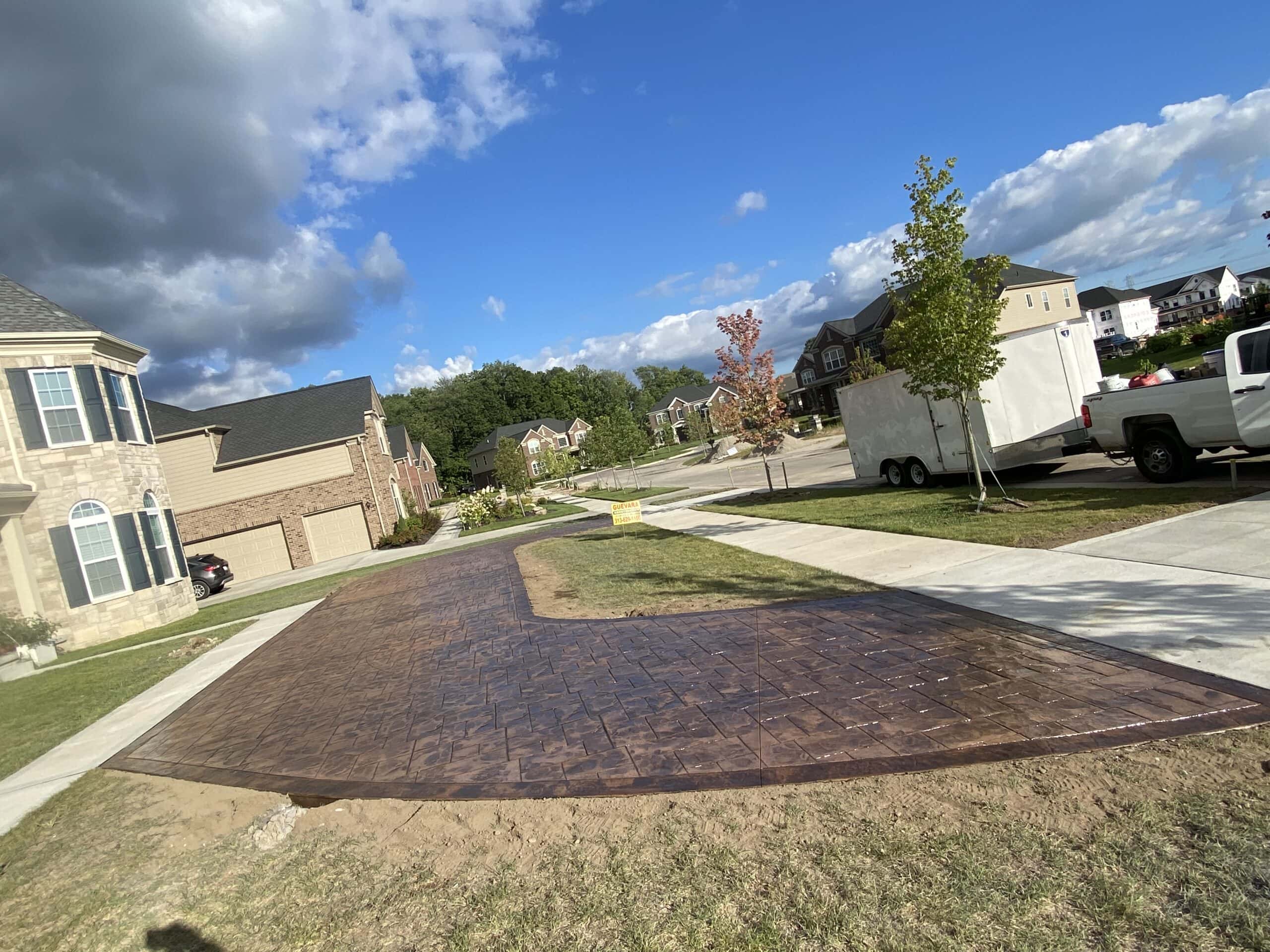
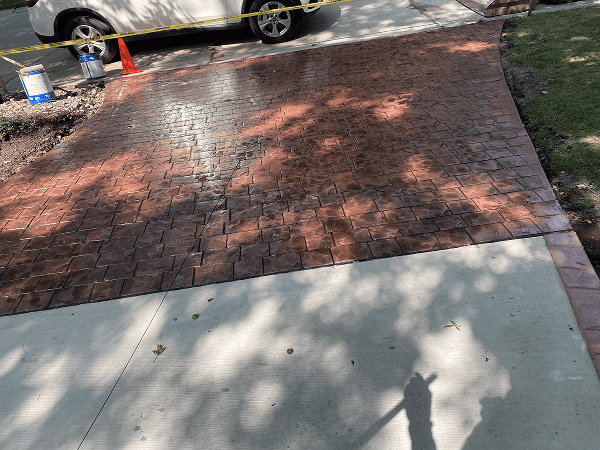
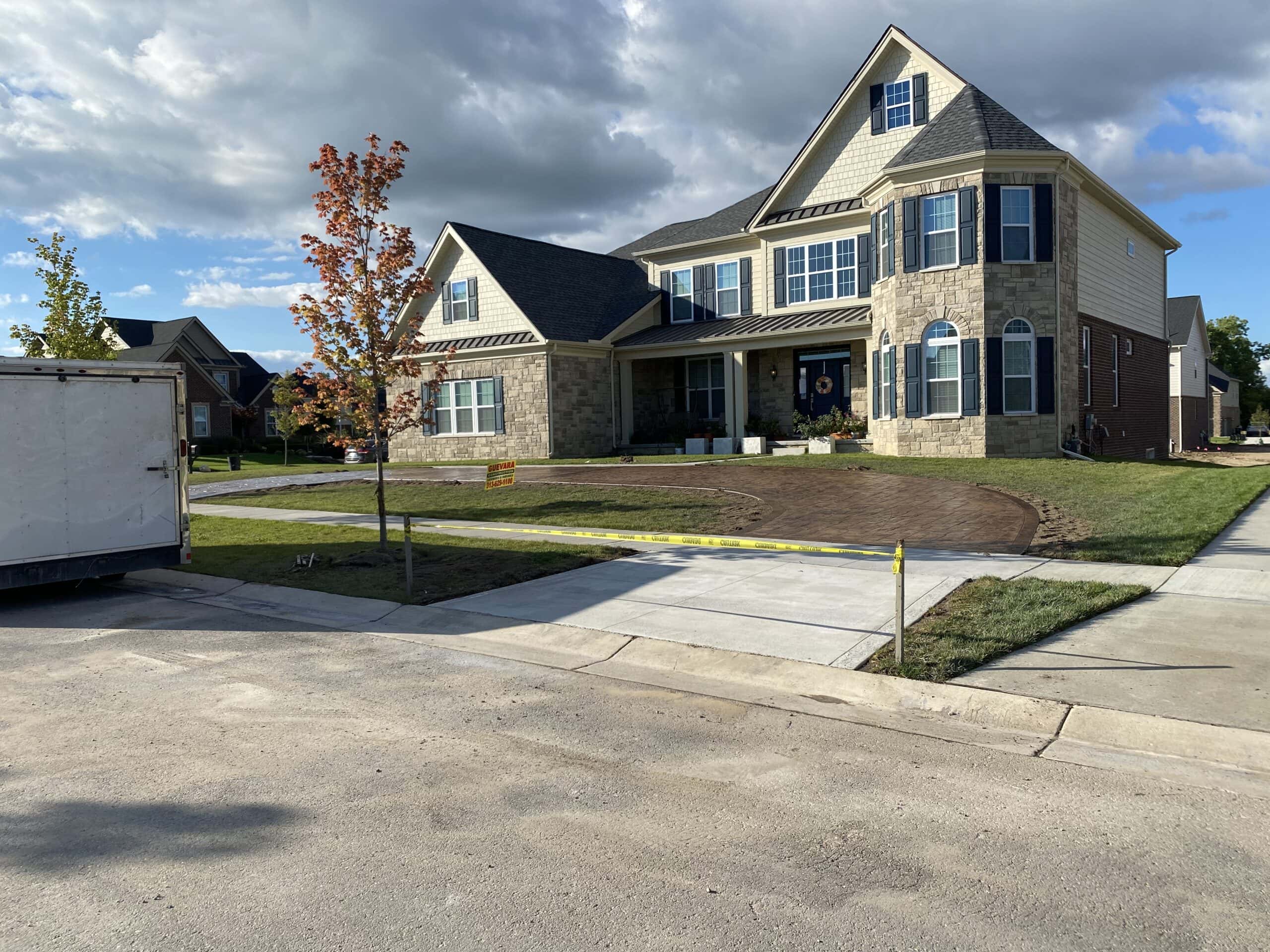
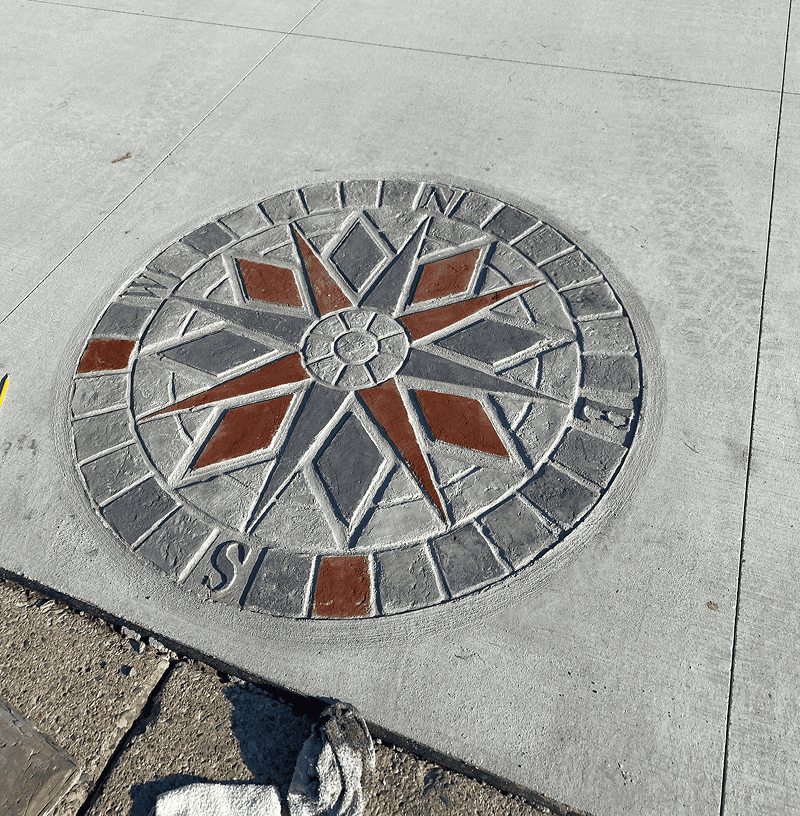
Since the old slab is coming out anyway, a replacement is the right moment to upgrade the look. You can pour the new driveway with a stamped concrete finish that mimics stone or brick, an exposed aggregate surface with natural texture, or add decorative borders. It is a value-add on top of a driveway that is already built to last.
What Does Driveway Replacement Cost in Michigan?
Cost varies by project, so we price each driveway individually rather than posting a flat rate. The main factors are the size of the driveway in square feet, removal and haul-off of the old slab, the base and drainage work the site needs, the reinforcement used, the finish you choose (standard versus a stamped or exposed aggregate upgrade), and access for our crew and equipment.
Guevara Construction focuses on larger qualifying Projects starting at $6,500. You will get a free written proposal that lays out the scope up front. Pricing is set before we start, and any scope changes are quoted before that work begins. Flexible financing is available through Synchrony Financial, including 0% interest for 18 months, subject to approval.
Where We Replace Driveways
We work from our Novi headquarters across Southeast Michigan and Metro Detroit, covering Oakland and Wayne counties and parts of Washtenaw County, including Novi, Northville, Livonia, Farmington, Farmington Hills, Plymouth and Bloomfield Hills, and West Bloomfield. See the full list on our service areas page.
This page covers full driveway replacement. If you are building a driveway where there is not one today, or adding to a new build, our custom driveways page covers new installations.
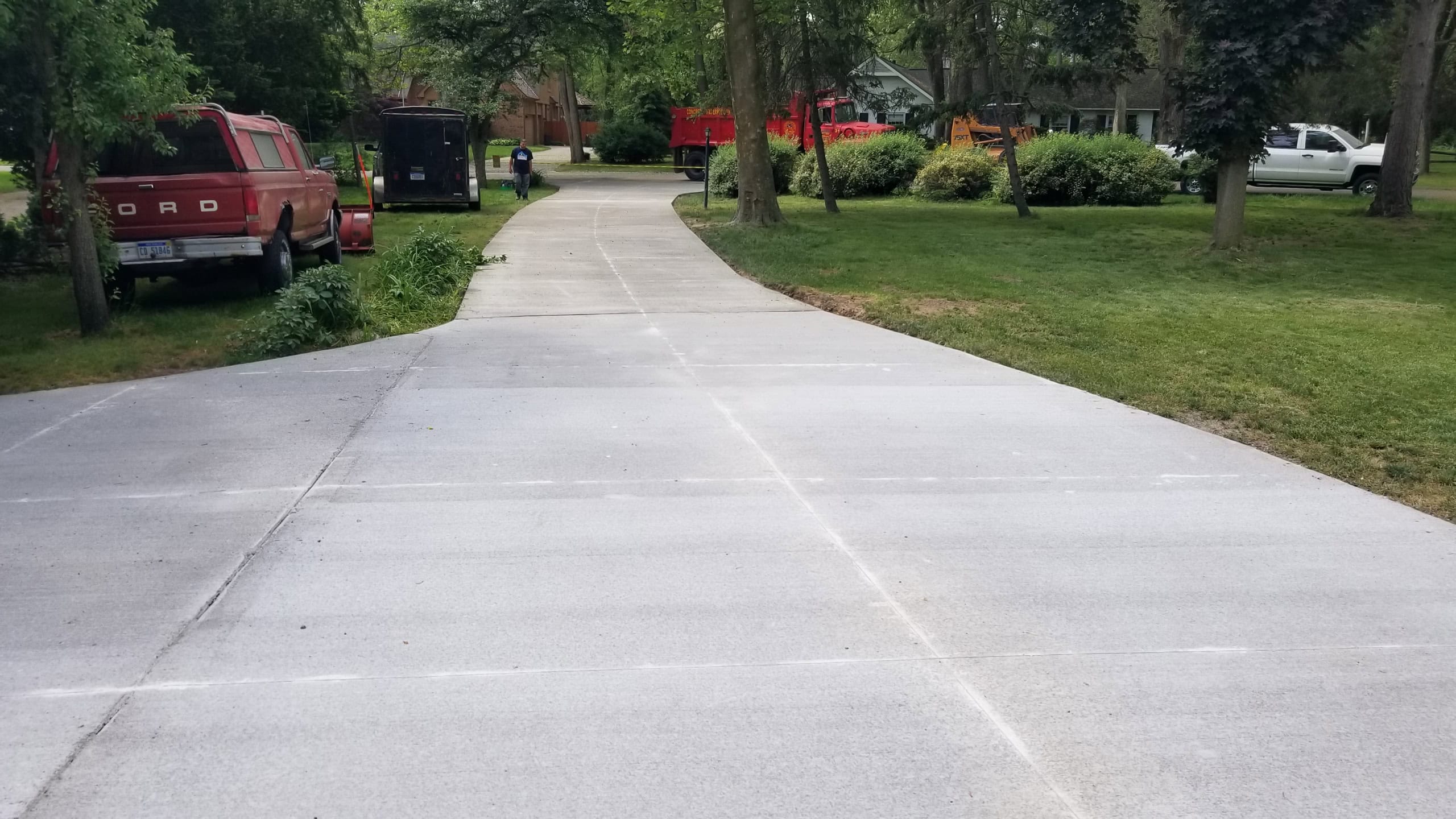
Why Michigan Homeowners Choose Guevara Construction
A replacement is a one-time investment you want done right. Here is what our crew brings to it:
- Owners on site, not a lead-gen service. Ownership works the job alongside the crew. We are not a middleman handing your driveway to a subcontractor.
- Drainage expertise most contractors skip. We measure slope and drainage before every pour, the step that decides whether a driveway lasts.
- Full permit management. We file the township permits directly as part of the project.
- Licensed, insured, and BBB A+ rated. Full accountability on every job, backed by 100+ 5-Star Google Reviews.
- Custom finishes in-house. Standard, stamped, or exposed aggregate, all poured by the same team.
Get a Free Driveway Replacement Estimate
Send us a few details about your driveway, and we will come out, look at the slab, base, and drainage, and put a plan in writing. You get an engineered base and drainage approach, a free written proposal, and financing options, all with no pressure and no obligation.
Frequently Asked Questions
Should I repair or replace my driveway?
When the damage is widespread, or the base and drainage have failed, replacement is the lasting answer. Guevara Construction specializes in complete tear-outs and new installations rather than piecemeal fixes, because a fresh slab on a rebuilt base is what holds up through Michigan winters. We will look at your driveway and tell you honestly what makes sense.
How long does a driveway replacement take?
A typical residential replacement runs a handful of days on site from tear-out to finished pour. The exact schedule depends on the size of the driveway, permitting, weather, site conditions, and concrete scheduling. We give you the expected timeline after reviewing the project.
How long until I can drive on my new driveway?
You can usually walk on it within a couple of days and drive on it after about a week, depending on weather and the concrete mix. We give you specific guidance for your project before we finish.
Do you remove and haul away the old driveway?
Yes. Tear-out and haul-off are part of the job. We break out the old slab and responsibly haul away and recycle the concrete, then clean up the site.
Will you damage my lawn or landscaping?
We work carefully around the driveway, protect the surrounding areas during tear-out, and repair minor disturbance to the yard caused by the work. We will point out anything close to the work zone before we begin.
Do I need a permit to replace my driveway?
Many Southeast Michigan townships require a permit for a driveway replacement. Where one is needed, we file it directly with your municipality as part of our process, so you do not have to deal with the paperwork.
When is the best time of year to replace a driveway in Michigan?
Spring through early fall is the practical window, when temperatures stay above about 50 degrees so the concrete cures properly. We schedule based on weather and site conditions to give the pour the best chance to set well.
Do you have a minimum project size?
Yes. We focus on larger qualifying Projects starting at $6,500. which lets us give each driveway the base preparation, drainage, and finish detail it needs.